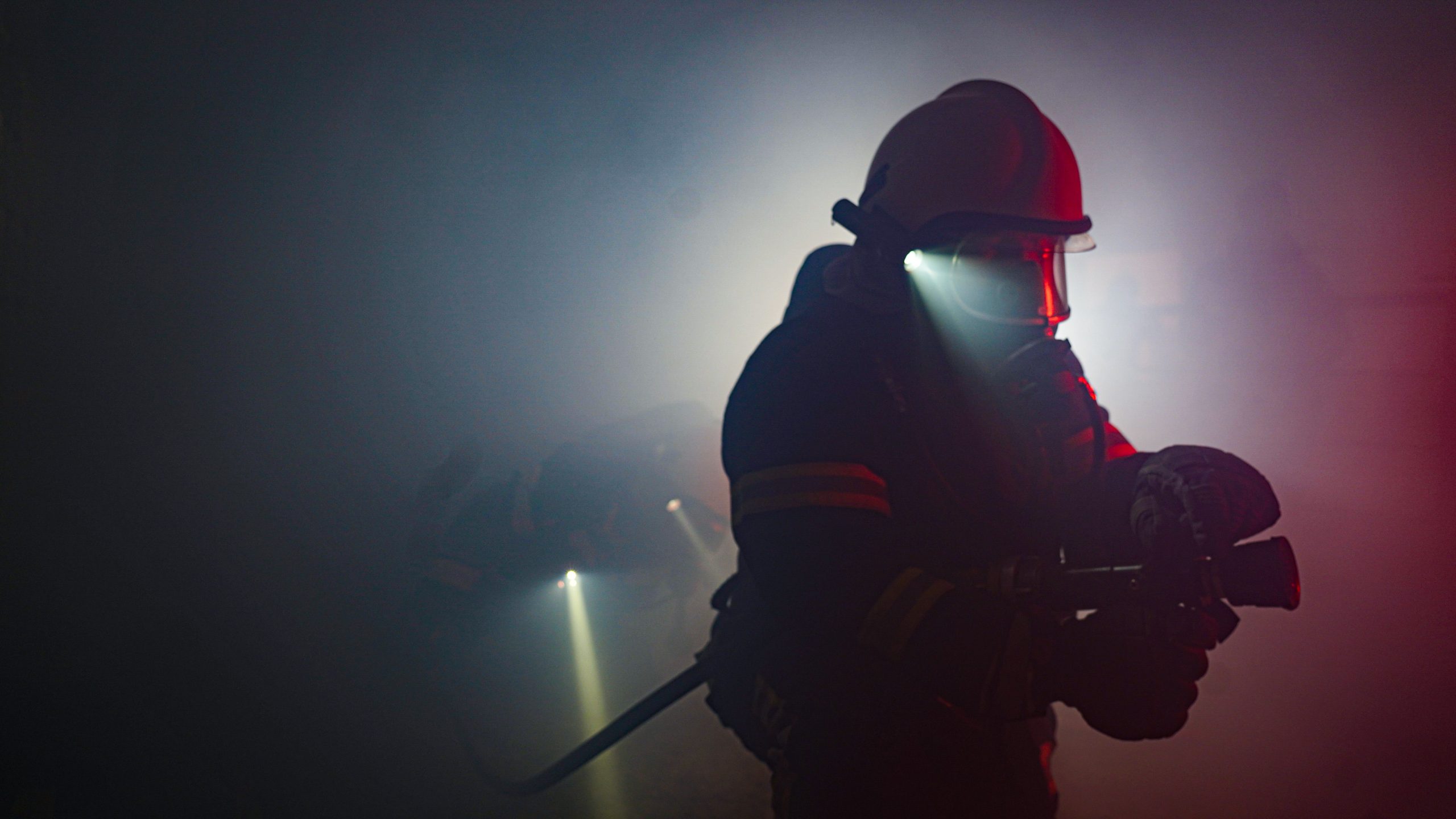
Addressing Energy Facility Fire Watch Challenges During Infrastructure Modernization Projects
Modernization work at power plants often pauses the usual automatic systems. Crews then rely on people to spot trouble early. Clear rules help everyone on site know what to do. The energy facility fire watch becomes the main safety layer during these times. Simple steps keep both people and equipment safe.
Post Content
Why Watch Hours Matter?
Long stretches on duty can wear people down. Short breaks help keep attention steady through the project. Records note the exact start and end of each turn so nothing gets missed.
How Teams Cover Gaps?
Workers take turns at set posts while systems stay offline for upgrades. Extra people stay close to the higher-risk spots the whole time.
- One person checks the boiler areas every fifteen full minutes.
- A second worker walks the turbine halls on the same timed path.
- Radio links confirm everything is clear after each complete pass.
- Notes list any heat signs found during the walk-through.
- Supervisors look over the log book twice every hour.
What Limits Raise Risk?
Old wiring can spark when crews open panels for the upgrade work. Dust from cutting settles near hot surfaces faster than expected. Limited exits can slow people down if smoke begins to form.
Daily Check Routines
Teams look over tools and paths before each shift starts. Clear walkways stay open so movement stays quick if needed.
Common Site Questions
Workers often ask about coverage rules during long upgrade periods. Straightforward answers help everyone stay ready without guesswork.
- How many people cover one zone while the full system stays offline? Two trained staff remain present for the entire window.
- Who calls for help if heat signs show near open panels? The nearest worker uses the radio for an immediate response.
- What tools stay ready at each watch post on the site? Water sources and extinguishers remain within short reach.
- When does the next person take over a long watch turn? Handover happens at the set times marked in the log.
- Can visitors walk through active upgrade zones freely? No visitors enter without a direct staff escort only.
Shift Handover Steps
The person finishing a turn briefs the next one on current conditions. Shared notes pass hands before the new watch begins.
- Outgoing staff point out any recent heat readings found that day.
- Incoming staff tests the radio link before standing the post alone.
- Both review the path map for any blocked routes that shift.
- Time stamps mark the exact moment of every changeover.
- Supervisors sign the book after the full brief is complete.
| Aspect | Old Method | Current Method |
| Coverage Style | Single person long shifts | Paired short rotations |
| Communication | Verbal only | Radio plus written log |
| Risk Focus | General plant areas | Open panels and dust zones |
| Response Time | Delayed by distance | Immediate from nearest post |
| Record Keeping | End of day summary | Real time notes each hour |
The table shows clear gains from paired rotations over single long shifts. Real-time notes cut delays when heat signs appear. Radio links and written logs work together for faster action. Focus on open panels matches the risks that come with active upgrade work.
Steady Site Habits
Teams keep the same simple rules through every upgrade phase. Short rotations and clear notes lower fatigue and gaps. The energy facility fire watch stays effective when people follow fixed paths. Practical routines protect both workers and equipment without extra strain. Consistent action builds safety stronger than any single tool.